
In Common: what’s in a name?
How do children encounter, experience, and engage with public life? How having things ‘in common’ has influenced our forthcoming exhibition and book
How do children encounter, experience, and engage with public life? How having things ‘in common’ has influenced our forthcoming exhibition and book

Dr Christos Varvantakis describes the impact of technology, computer games, and mobile phones on childhood games across the Connectors Study

Dr Vinnarasan Aruldoss describes strangers interrupting research dynamics and flows, touching on the ethical challenge for privacy in close-knit communities

Dr Sevasti-Melissa Nolas reflects on pain and embodiment in the research process, and how children adapted their game playing to be more inclusive

On modern fables and story-telling in public space: Christos Varvantakis shares an excerpt from the field
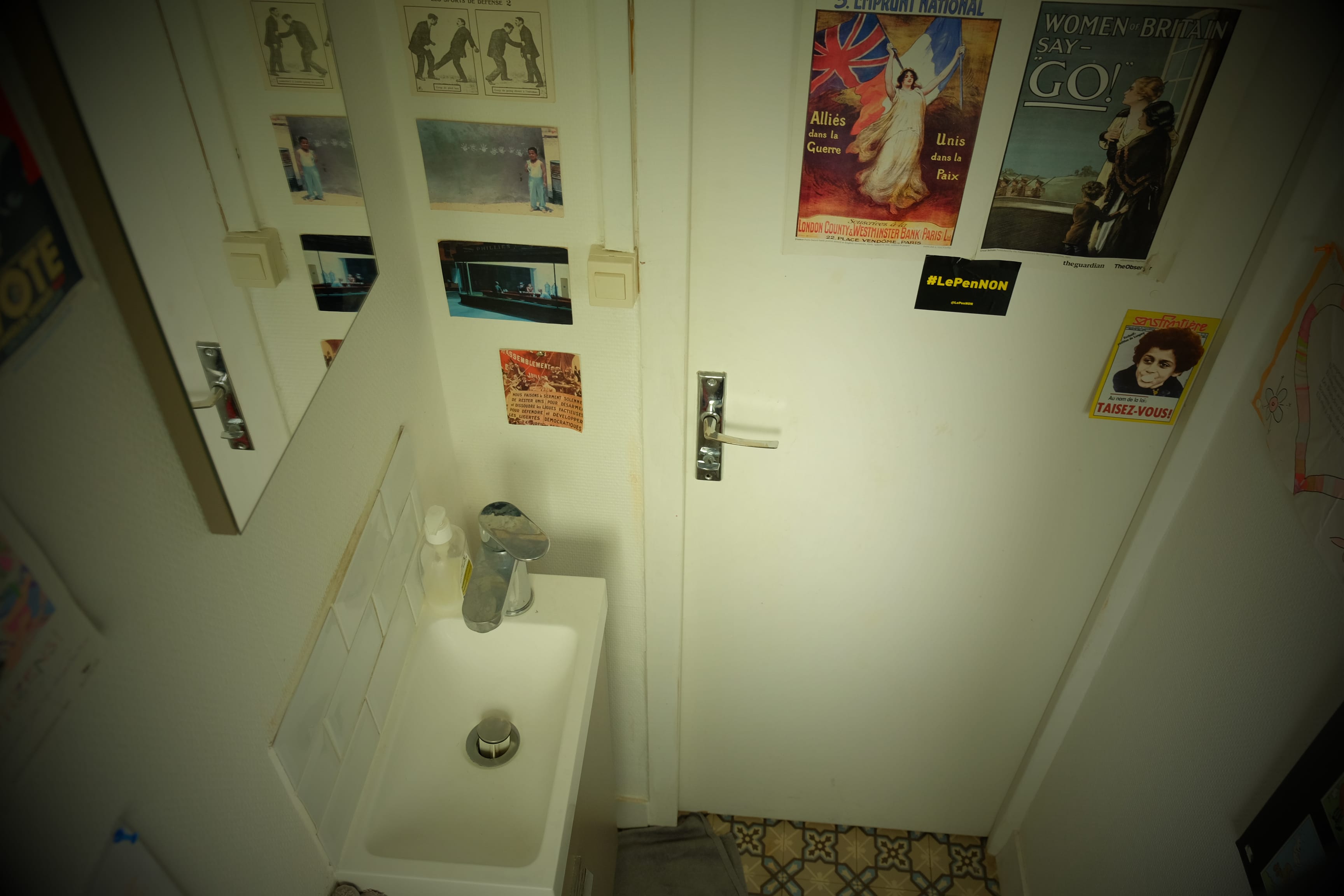
We are curious about the geographies of encountering public life and the political in everyday life. Where do encounters with public life take place?

What happens to ethics when the process of conducting research itself becomes public? What do we do when adults or parents intervene in data collection?

Dr Sevasti-Melissa Nolas talks about child participants’ own research agendas, and using playing and games as methodology

Dr Christos Varvantakis explores ‘coming of age’ tropes and temporalities in childhood play, and how ethics and anonymity are understood and enacted

Dr Vinnarasan Aruldoss describes moments of banter and teasing in fieldwork, and how these help in building research relationships with children